Player Guide
How To Predict What Most People Would Choose
Learn how to think like the crowd, avoid choosing only your personal favorite, and make better Predict Mode reads.

Introduction
Picture two options on screen.
One is your personal favorite. The other is the one you think most people would choose.
Savezly asks you to make the second kind of choice.
That is the shift. You are not trying to prove what is best. You are trying to read the matchup, think like the crowd, and predict what the majority would choose.
This guide is not about psychology, statistics, or scientific accuracy. It is a practical player guide for Predict Mode.
Savezly is a visual prediction game. Each round gives you two options. Your job is to predict which one most people would choose.
The important word is predict.
You might love one option more. You might know more about one brand, team, product, or category. But a round is not about defending your taste.
Winning Savezly is about asking a simple question:
What would most people choose here?
That question should guide every round.
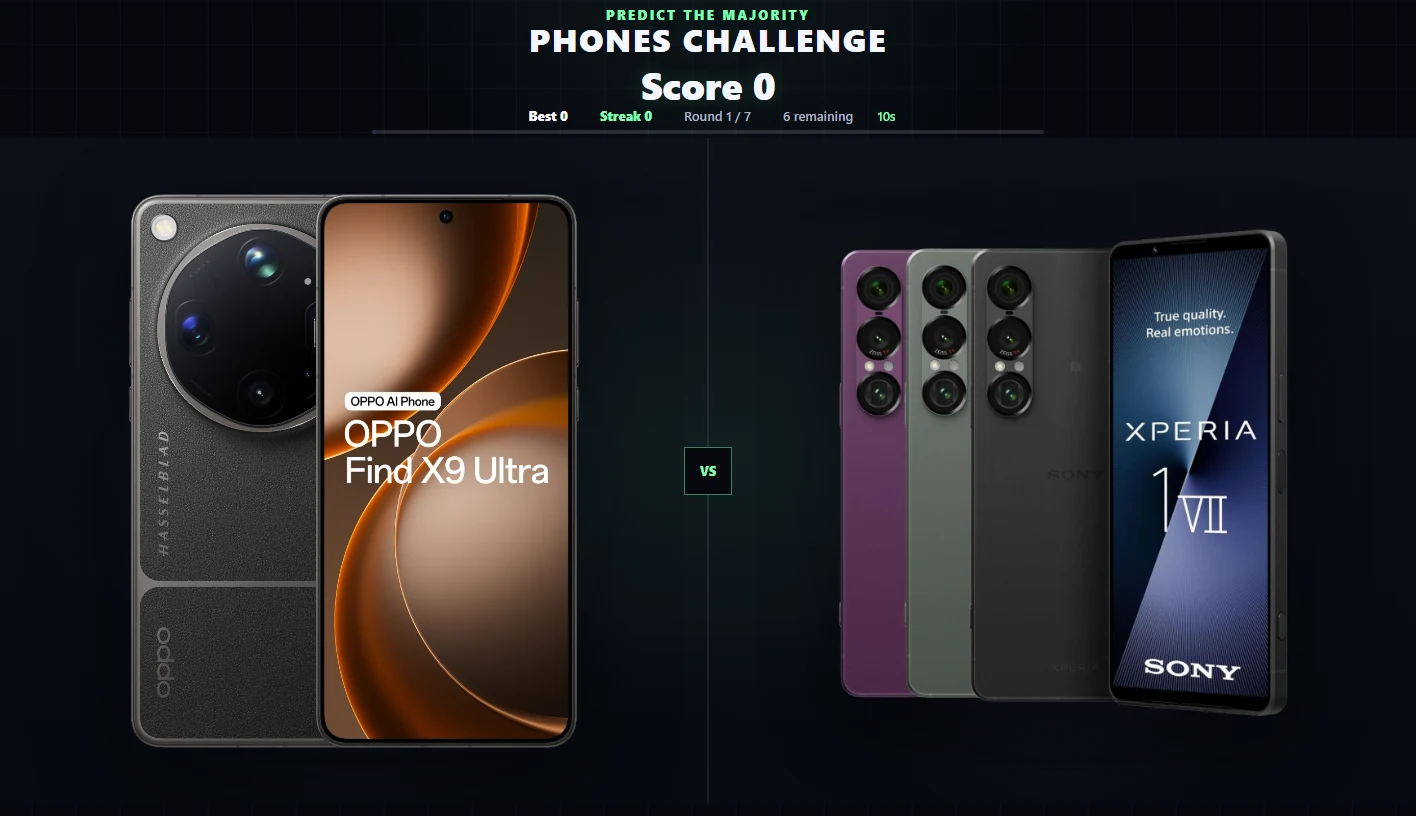
Why Personal Preference Can Mislead You
Personal preference is fast. It feels obvious because it is yours.
If you love one phone, one streaming service, one fast food brand, or one football legend, your first instinct may be to choose it immediately.
Sometimes that instinct is right. Your favorite might also be the option most people would choose.
But sometimes your favorite is too personal.
Maybe you know a category better than the average player. Maybe you care about details other people would miss. Maybe your taste is stronger than your prediction.
That is where Savezly gets interesting.
Before you choose, pause for a second and separate two thoughts:
- What do I personally like?
- What would a wider group of people probably choose?
The second question is the one that matters in Predict Mode.
Think Like The Crowd
Thinking like the crowd does not mean guessing randomly. It means looking for signals that many people might notice quickly.
You are not trying to calculate a perfect answer. Savezly is entertainment, not official market research or survey data.
You are making a practical read based on what is visible, familiar, and broadly appealing.
Three signals can help: recognition, familiarity, and broad appeal.
Recognition
Recognition is about what people notice first.
Ask yourself:
- Which option would more people recognize at a glance?
- Which name, shape, or visual identity feels easier to place?
- Which choice would someone understand even if they are not an expert in the category?
Recognition can matter because Savezly rounds move quickly. A choice that feels instantly recognizable may be easier to pick.
That does not make it officially more popular. It only gives you a useful clue for the round.
Familiarity
Familiarity is different from recognition.
Recognition means someone can identify the option. Familiarity means the option feels common or easy to connect with.
In a visual prediction game, familiar choices can feel safer to a wide audience.
Ask:
- Which option feels more familiar to a casual player?
- Which one has a stronger everyday presence?
- Which one would people understand without needing extra context?
If one option requires deep category knowledge and the other feels familiar to almost everyone, familiarity may be the stronger clue.
Broad Appeal
Broad appeal is about reach.
An option can be loved by a smaller group and still lose to something that appeals to more people overall.
Before choosing, ask:
- Which option could attract people outside its strongest fan base?
- Which choice feels easier for different players to agree on?
- Which one would still make sense to someone who only knows the category casually?
Broad appeal does not mean better. It means easier for many people to choose.
That distinction matters.
Common Beginner Mistakes
The most common mistake is choosing your favorite without pausing.
That is natural. Visual matchups can trigger quick opinions.
But Predict Mode asks for a different habit.
Here are a few mistakes to watch for:
- Picking the option you personally like best.
- Assuming expert knowledge is the same as crowd instinct.
- Treating one result like a permanent rule.
- Thinking a missed prediction means your choice was bad.
- Reading Savezly results as official rankings.
A wrong prediction does not mean your favorite is worse. It means the round did not match your expectation of what most people would choose.
Savezly results are part of the entertainment experience. They should not be treated as surveys, official popularity data, market research, or factual rankings.
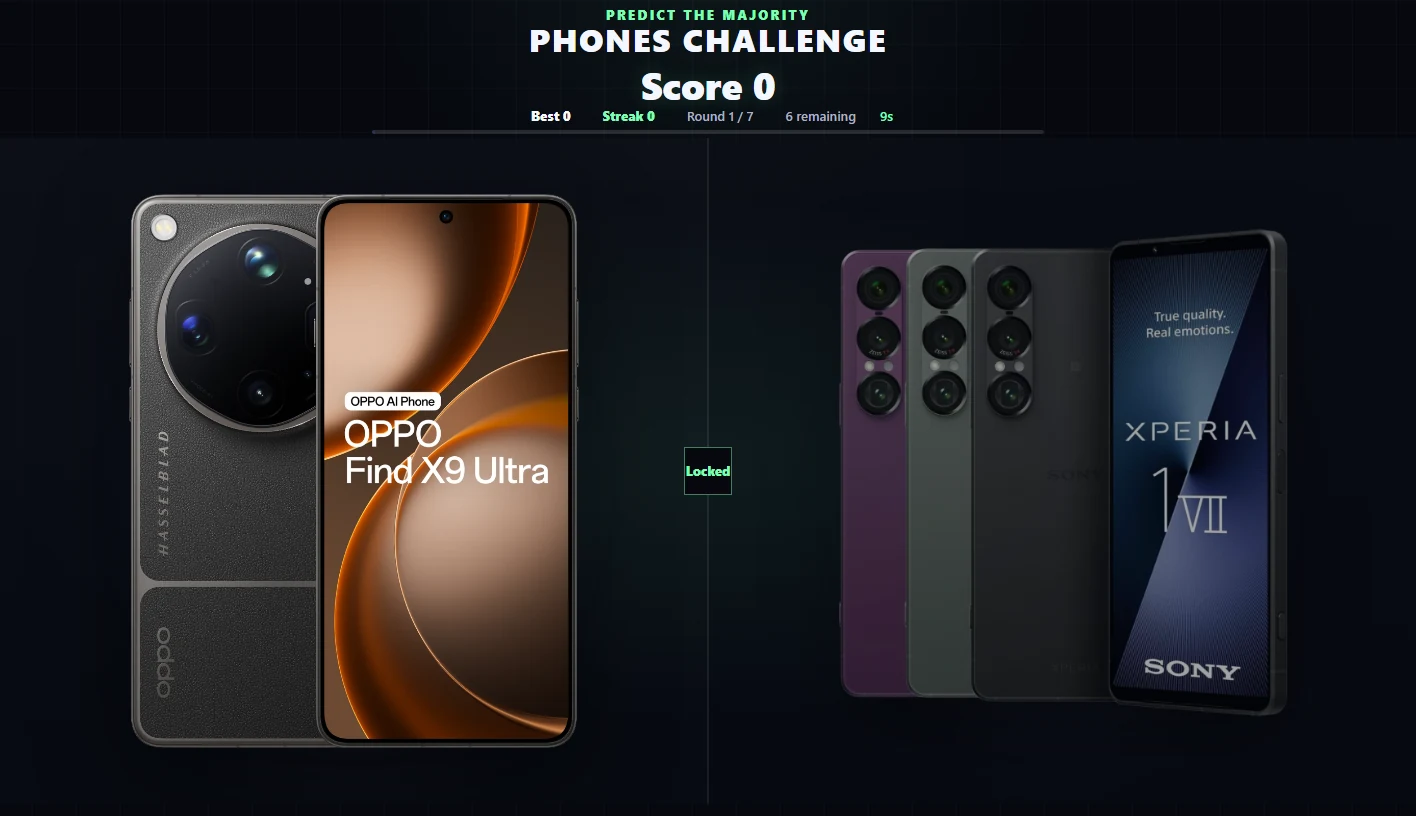
How To Improve Your Predictions
Better predictions come from better questions.
Before you pick, try asking:
- Am I choosing my favorite, or predicting the crowd?
- Which option would a wider audience recognize first?
- Which choice feels familiar even to someone new?
- Which option is easier to understand at a glance?
- Which one has broader appeal beyond its strongest fans?
You do not need to spend a long time on every round. Savezly works best when the choice is quick but thoughtful.
The goal is not to become perfect. It is to build the habit of stepping outside your own preference for a moment.
When you miss, do not overcorrect.
One result is not a rule. One matchup is not proof that an option is always stronger. Use each result as feedback, then make a fresh read on the next round.
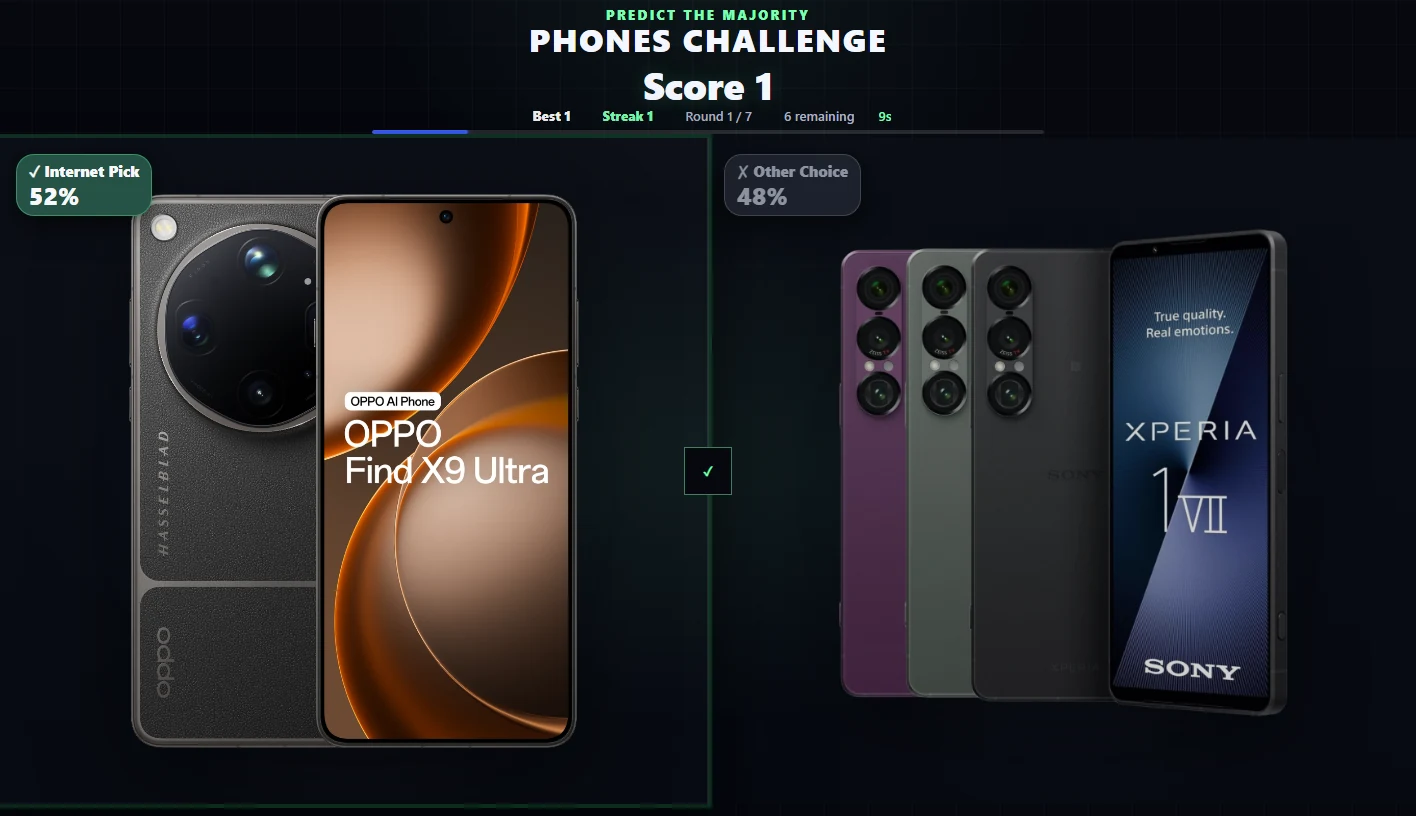
Practice Inside Savezly
The best way to understand majority prediction is to play a few rounds and notice how your thinking shifts.
Start with a category you recognize. Look at the two options. Before clicking, say the difference in your head:
This is what I like.
This is what I think most people would choose.
Then make the prediction.
That tiny pause turns a simple choice into a read of the crowd.
When you are ready, use the idea in a live round:
Test This Prediction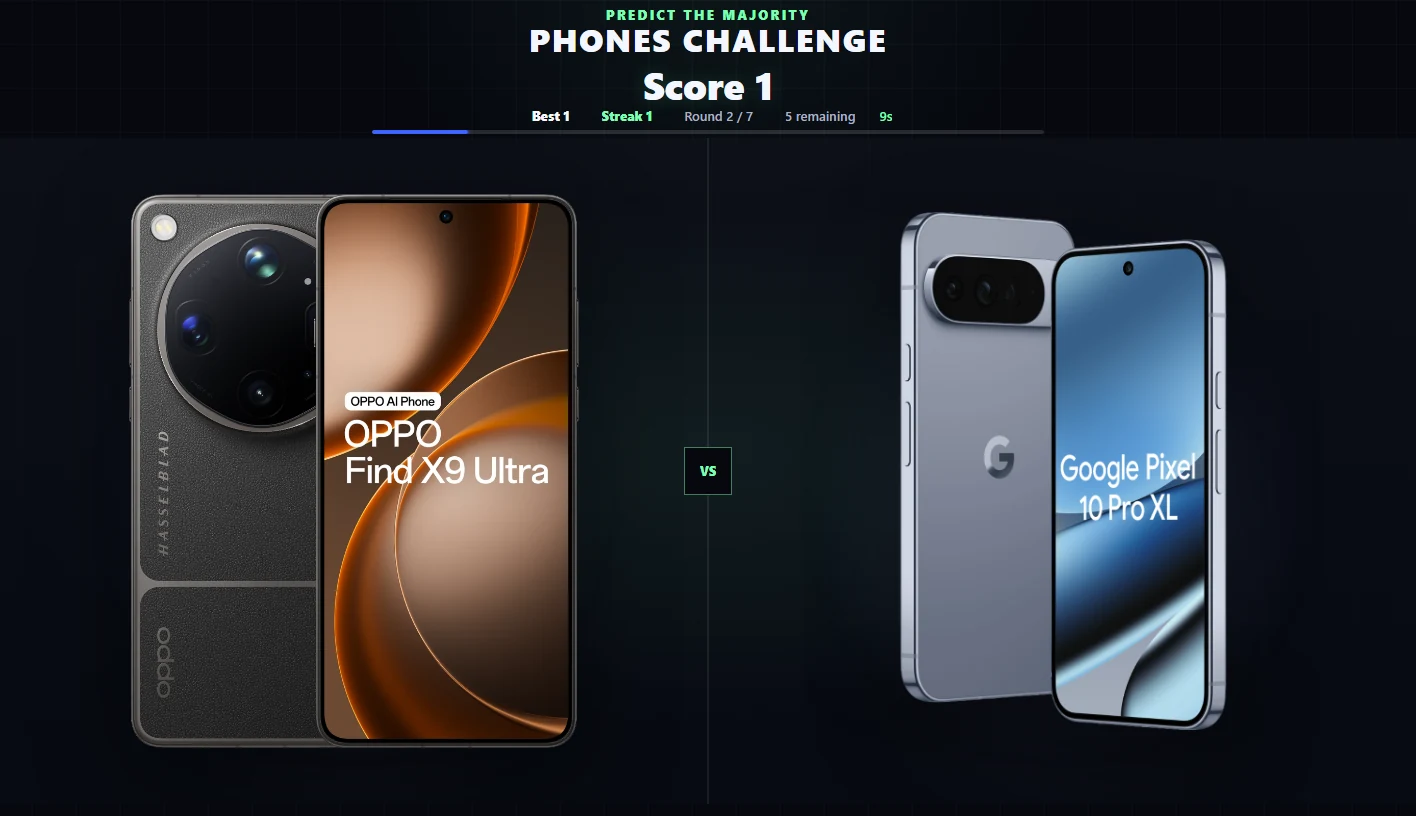
Frequently Asked Questions
Is Predicting The Same As Choosing My Favorite?
No. Your favorite is what you personally prefer.
Your prediction is what you think most people would choose.
Sometimes they are the same. When they are different, Savezly rewards the prediction, not the personal favorite.
Can I Get Better With Practice?
Yes, you can get better at the habit of thinking beyond your own preference.
Practice helps you notice recognition, familiarity, and broad appeal more quickly.
It does not guarantee correct answers, and it does not turn Savezly into a scientific prediction tool. It simply helps you play Predict Mode with a clearer mindset.
Why Was My Prediction Wrong?
Your prediction may have been wrong because the other option felt more recognizable, familiar, or broadly appealing to the majority in that matchup.
It may also just be a close or surprising round.
Do not treat a missed prediction as proof that your choice was bad. Treat it as feedback and try the next round with a fresh read.
Does Savezly Use Official Rankings?
No. Savezly is an entertainment game.
Results should not be treated as official rankings, survey results, market research, popularity data, or brand endorsements.
Players are predicting what they think the majority would choose inside the game.
Final CTA
Now you know the main idea:
Do not just choose what you like. Predict what most people would choose.
Start with the crowd. Look for recognition, familiarity, and broad appeal. Then make your read.
Think Like The Internet